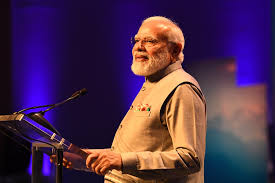
PM Modi stated that “terror and talks cannot go together, terror and trade cannot go together, water and blood cannot flow together” as a result of the new normal.
New Delhi, May 13, 2025 — With a ceasefire now in place with Pakistan, India reflects on the successes and challenges of Operation Sindoor, launched in response to the April 22 Pahalgam killings. The attack, targeting male tourists in Baisaran meadow, south Kashmir, was a calculated act of terror that spared women and children but killed 25 men after verifying their religion. The brutality, epitomized by the image of newlywed Himanshi Narwal beside her slain husband, Navy Lt Vinay Narwal, struck a deep emotional chord across India.
The attack’s symbolism targeted the “sindoor,” the vermilion powder symbolizing marriage and family in Hindu culture, applied by women across India—from Bihar’s extended red line during Chhath Pooja to Tamil Nadu’s forehead dot. While some view sindoor as patriarchal, for many, it represents familial bonds. Prime Minister Narendra Modi, in a Monday address, underscored this, stating, “Every terrorist knows the consequence of wiping out the sindoor of our sisters and daughters.” Operation Sindoor, named to capture national sentiment, became India’s resolute response.
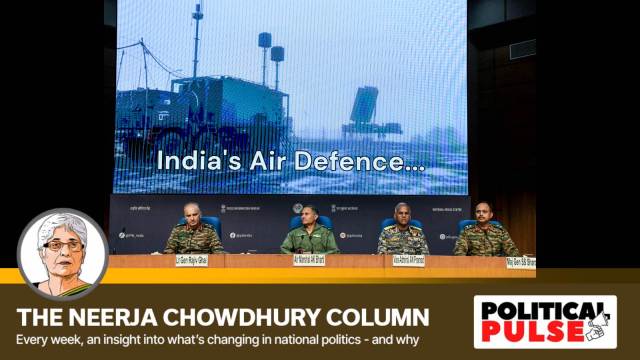
The operation saw unprecedented unity: Opposition parties rallied behind the government, Kashmiris expressed solidarity, and the communal division the attackers sought was averted. The military’s decision to have Colonel Sofiya Qureshi and Wing Commander Vyomika Singh brief the media symbolized India’s pluralist ethos, countering Pakistan Army chief General Asim Munir’s claim that Hindus and Muslims cannot coexist. “Seeing those two women officers address the nation moved me to tears,” a Chennai woman said, echoing widespread sentiment.
Militarily, Operation Sindoor struck deep into Pakistan, targeting sites like Bahawalpur, Muridke, and Rawalpindi, signaling that terror attacks would be treated as acts of war. This “new red line” resonated with Indians who sought a strong response without prolonged conflict. India’s soft power—Kashmiri support, women’s resilience, and Hindu-Muslim unity—further bolstered the operation’s impact, potentially strengthening Modi’s support among women voters.
Challenges Ahead
Despite its successes, Operation Sindoor faces hurdles. Some supporters, particularly on social media, are disappointed by the ceasefire, expecting a more decisive blow to Pakistan. Modi avoided the term “ceasefire,” framing the pause as a suspension of “retaliatory action” against terror camps.
Geopolitically, US President Donald Trump’s claim of brokering the ceasefire and his offer to mediate on Kashmir complicates India’s stance. The government must balance its ties with the Trump administration while countering domestic criticism of allowing third-party mediation, which risks re-hyphenating India and Pakistan. Modi firmly rejected this, emphasizing that talks with Pakistan will focus solely on terrorism and Pakistan-occupied Kashmir, asserting that “terror and talks cannot go together.”
India also faces the challenge of maintaining military superiority over Pakistan, backed by China’s advanced weaponry. The government must re-engage its neighborhood diplomatically while ensuring its armed forces retain a technological edge.
The Path Forward
Operation Sindoor showcased India’s resolve, unity, and soft power, but sustaining this momentum requires careful navigation. Politicians must avoid equating Pakistan with Indian Muslims, and the government must address domestic expectations while countering external pressures. By reinforcing its military and diplomatic strategies, India aims to cement a “new normal” where terrorism faces uncompromising consequences.